
Walls do more than support a building; they also help control air and moisture, which affects the quality of the air inside. For many years, the construction industry mainly used synthetic paints and chemical-heavy coatings.
The trend has now shifted. Property developers, architects, and environmentally conscious homeowners in the UK are choosing natural wall finishes. They appreciate these finishes not only for their natural look but also for their better performance.
Stricter green building standards, greater concern for occupant health, and increasing tenant demand for sustainable living spaces drive this shift. As the industry changes, the need for materials that look good and are environmentally friendly has never been greater.
At White River Developments, we help you transform your visions into reality by offering exceptional property development services in Southampton.
Why Synthetic Finishes Are Losing Ground
Standard paints and synthetic plasters were not made with indoor air quality in mind. They were created to be cheap, fast, and easy to use. Many of these products continue to emit volatile organic compounds (VOCs) long after application, leading to poor indoor air quality in homes and offices.
A recent report from the Royal Society Publishing found that paints and other consumer products are now major sources of VOC emissions in urban areas. This is a significant concern for developers who want to meet modern health and sustainability standards.
Natural alternatives such as lime plaster, clay render, and mineral silicate coatings emit much lower levels of VOCs. The table below clearly shows these differences:
| Finish Type | Typical VOC Level |
| Standard emulsion paint | 30 to 200 g/L |
| Low VOC synthetic emulsion | 1 to 29 g/L |
| Lime plaster | Near zero |
| Clay plaster | Near zero |
| Mineral silicate paint | Near zero |
The numbers are clear. For property investors considering long-term costs, this choice is important. It protects both the building and the people inside it.
The Science Behind Breathable Walls
Modern buildings are often very airtight. While better insulation and double glazing help save energy, they can also trap moisture. If moisture isn’t properly managed, it can build up inside walls, leading to condensation, mould, and even structural damage.
Natural wall finishes let moisture pass through. For instance, lime plaster can absorb extra humidity when it’s high and release it when the air dries. This helps create a more stable indoor environment, lowers the risk of mould, and improves air quality for those living there.
According to Landlord Today, 70% of UK tenants consider good indoor air quality a top priority when choosing a rental property. When developers focus on doing the right thing, they are not only making ethical choices but also making wise decisions for their business.
Types of Natural Plasters Worth Incorporating
Natural wall finishes come in a wide variety of styles, often more than many people realise. Here’s a brief overview of the main types and how to use them:
1. Lime Plaster
This is one of the oldest building materials. It can be hydraulic lime or putty lime. Lime plaster lets walls breathe, is antibacterial, and gets stronger over time. It works well for both old and new buildings.
For a thorough overview of lime plaster types, take a look at this lime plaster guide that covers everything from hydraulic to putty lime for both new builds and renovations.
2. Clay Plaster
Clay plaster is highly breathable and good at controlling humidity. It comes in numerous natural earth tones. It is suitable for bedrooms and living areas where air quality affects comfort and sleep.
A well-applied lime or clay finish can last for years. Some historic buildings in Europe still have their original lime render after hundreds of years. On the other hand, synthetic emulsions require a new coat every 5 to 7 years, making the benefits of natural plasters clear.
3. Marmorino
Marmorino is a polished lime-based finish made with marble dust. It gives a smooth, stone-like surface and is very durable. It’s often used in upscale homes and businesses.
4. Stucco Lustro
This is a traditional Italian method using lime and natural pigments. It creates a shiny and silk-like surface and is fully breathable.
5. Tadelakt
Tadelakt is a Moroccan waterproof lime plaster finished with olive oil soap. It is increasingly popular in wet areas, such as bathrooms, as a sustainable alternative to tiles.
6. Mineral Silicate Paint
It is a breathable, chemical-free paint that bonds to the surface at a molecular level. It lasts a long time and resists fading.
7. Polished Plaster
Polished Plaster is a durable, lime-based stucco that hardens over time to become a part of the building structure. It reduces the need for frequent repainting and maintenance.
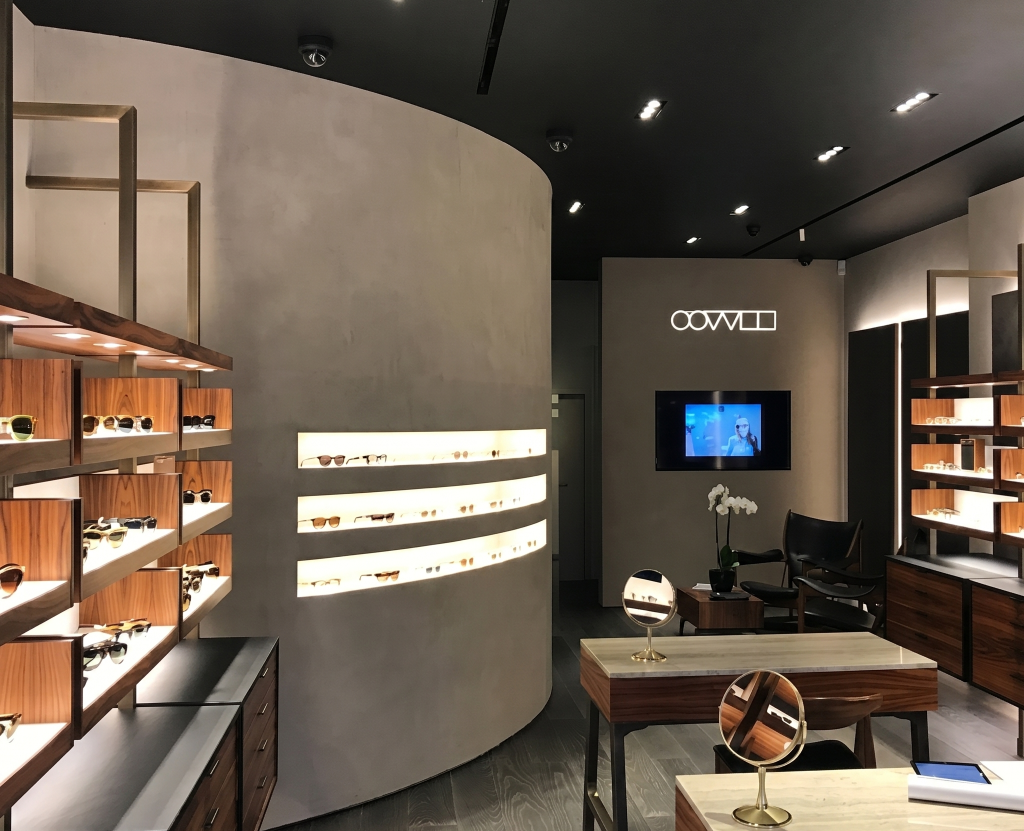
Source: EvokePolishedPlastering.co.uk
How to Incorporate Natural Finishes Into Your Project
Investors often focus on short-term building costs. Natural plasters need more attention at the start, but they provide major benefits over time.
Here’s how you can incorporate natural finishes into your project:
- Start with Key Rooms: Focus on bathrooms, kitchens, and bedrooms for better air quality and moisture management.
- Collaborate with Your Design Team: Involve your architect or interior designer early to ensure the right finishes and avoid costly changes.
- Choose Reputable UK Suppliers: Not all natural plasters are the same; select suppliers knowledgeable about breathability for your specific build.
- Hire Experienced and Skilled Contractors: Applying lime and mineral-based finishes needs specialised skills, so seek contractors with a proven track record.
- Consider the Full Lifecycle Budget: Although natural finishes may seem pricier upfront, reduced maintenance and less repainting often make them competitive with synthetic options.
Conclusion
Natural wall finishes are no longer just for heritage restorations or boutique interiors. They are now a popular choice for developers, architects, and homeowners across the UK who want buildings that are more efficient and durable.
The move towards breathable, low-VOC materials shows a shift in the construction sector’s approach to health, sustainability, and long-lasting value. Using these materials in your next project is a practical way to create buildings that are truly better for the people who live and work in them.Have a project in mind? Get in touch with us to discuss how natural wall finishes can work for your next build.